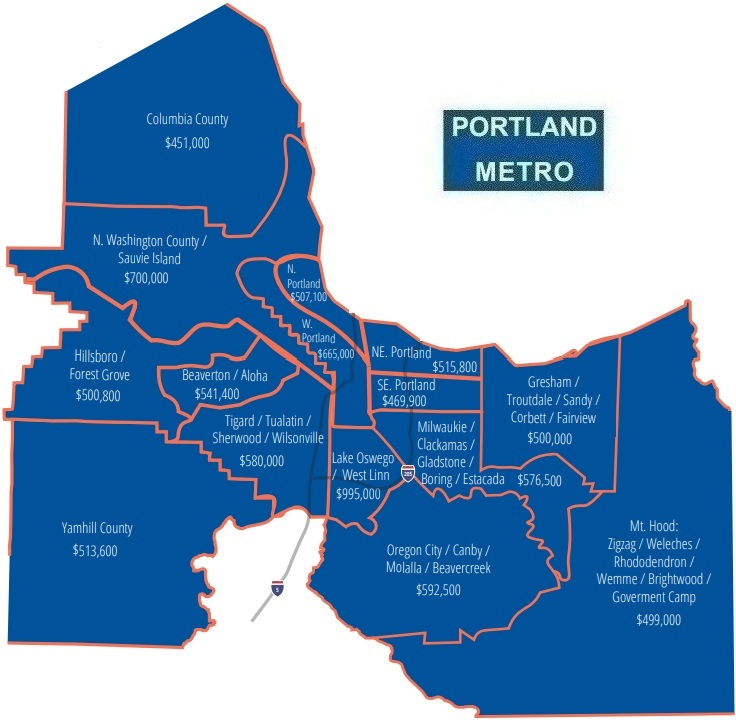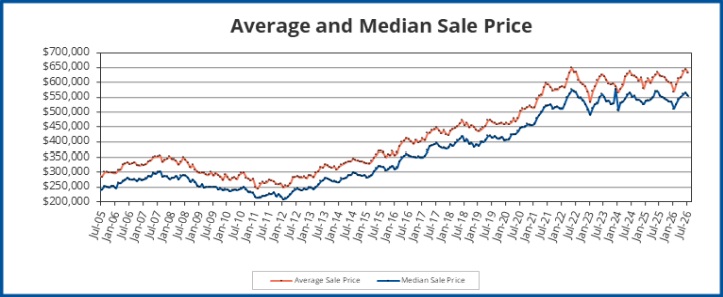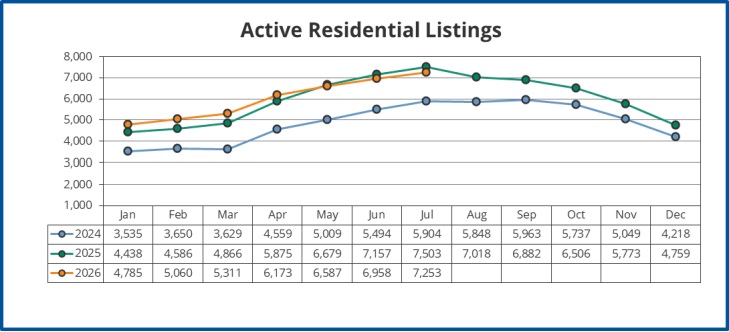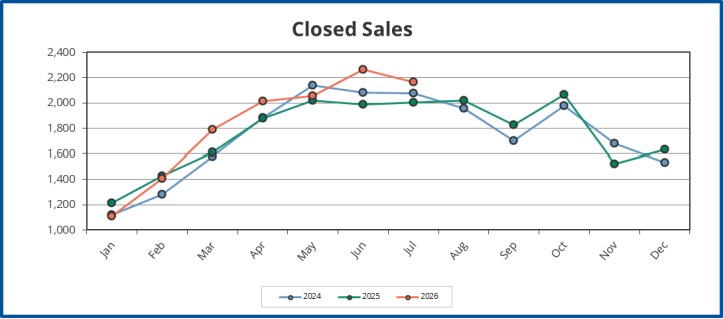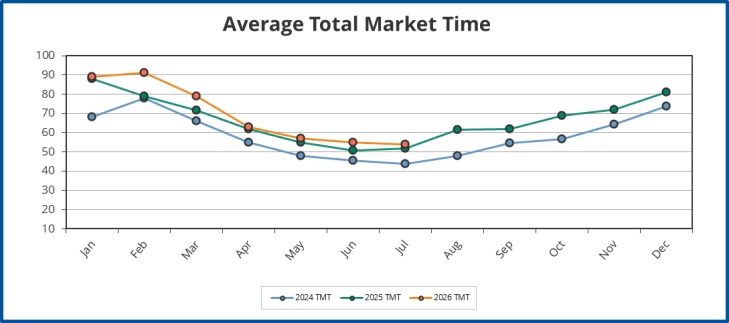
The average home price in the Portland Metro fell 2% in July. The number of closed home sales fell slightly relative to June but remained near 4 year highs in July. It has felt like a very active market, with our team participating in several bidding wars in SW Portland, Lake Oswego and Sherwood over the last month. We currently have 8 sales in escrow which is more than normal for late August. Some areas such as Hillsboro and Forest Grove remain slow so conditions are varying significantly from area to area. Many buyers are aggressively pursuing homes right now, which is unusual for August. Families normally want to be settled before their children’s school year starts, so some buyers stop looking for homes around this time of year. Mortgage rates remain elevated but that doesn’t appear to be affecting the local housing market at all at the moment.
The 30 year fixed rate averaged 6.65% across the United States last week. The Federal Reserve voted to hold rates steady at the conclusion of their last meeting on July 29th. Following the Fed’s announcement the bond market reacted immediately, pricing in higher bond yields, which increased mortgage rates regardless of the Fed’s actions. Bond yields are free trading and mortgage rates track bond yields, not the rates set by the Fed. However, the Federal Reserve’s actions can have a large impact upon the trajectory of mortgage rates. Behind the scenes, three Federal Reserve Governors dissented the decision to hold rates steady and signaled they wanted to do a 0.25% rate hike instead. This was the largest dissent for a new Federal Reserve Chairman so early into their term. The reason Kevin Warsh is having difficulty guiding the Fed is there is a lot of conflicting data to argue for holding rates steady or hiking rates, depending on what is paid most attention. Many traders and financial analysts see a different story playing out than the new Fed Chairman does based upon the current rate of economic growth, inflation levels, and the current state of the labor market.
On July 30th, it was reported the U.S. economy grew at a 1.5% annualized rate in the 2nd quarter of 2026. This was down from the 2.1% rate of growth in the 1st quarter. The rate of inflation remains elevated relative to the beginning of 2026. While the Consumer Price Index (CPI) decelerated to 3.4% in July, the Personal Consumption Expenditures Price Index (PCE) last reading was 3.7%. The most recent inflation readings are still well over the Fed’s 2% inflation target, regardless which of the two metrics is used. On August 8th, it was reported the U.S. economy lost 23,000 jobs in July. The previous reports showing job growth in June and May were also revised downwards by 103,000 jobs. The U.S. economy has now averaged only 20,000 in job gains per month over the last 3 months. Ultimately, the rate of inflation has accelerated while economic growth is slowing. This is known as “stagflation” and is not a good state for the U.S. economy to be in.
The A.I. and semiconductor based boom in stocks reversed from late June through July. This became initially apparent when the South Korean stock market started to correct on June 23rd after an epic 86% increase from March 31st. When a stock market starts falling too quickly, circuit breakers are triggered to stabilize prices and bring order as stocks fall. The Korean stock exchanges circuit breakers are triggered by 8%, 15% and 20% drops from the previous day’s closing price. By the end of July, the Korean stock exchange had experienced their 9th circuit breaker of the year being triggered as prices had given back almost all of the parabolic gains that were experienced since the end of March. However, in August the index has now risen 20% so the upwards movement in semiconductors has already resumed. We also saw this type of behavior in U.S. semiconductor stocks to a lesser degree with the PHLX Semiconductor Index falling from a high of 14,655 on June 22nd to a low of 10,445 on July 29th before it rebounded. This amounted to a 29% drop in U.S. semiconductor stocks on average. The U.S. stock market overall is stable with S&P 500 hitting an all-time high on August 13th. It appears a rotation is now occurring out of tech stocks into less expensive parts of the stock market that might not be subject to such aggressive betting and high levels of volatility. There is a rotation of capital moving into industrials and materials for the time being.
One reason for volatility in tech stocks is a lot of leverage was being used in A.I. and semiconductor stocks in particular. When an investor buys a stock, there is the opportunity to buy more than they can afford by taking a loan out. This is only allowed for experienced investors with larger accounts and is known as “buying on the margin.” Investors have been actively using debt to increase the amount of shares of tech companies they own. This can lead to “margin calls” when the price of the underlying stock falls enough, forcing the owner to sell the stock at a loss to cover the loan and potentially completely lose their initial investment. Margin calls create forced selling and can lead to greater stock market volatility than would otherwise occur. In Korea for instance, there were rumors that people approaching retirement were buying stocks on margin to not miss the huge rally there. This may have had some very bad results for some investors but that is what can happen when excessive risks are taken. Presently there is approximately $1.4 trillion in margin debt outstanding in the United States. While this does constitute a record amount of leverage in the U.S. stock market, the total value of the U.S. stock market is just under $80 trillion dollars.